


24/7 Emergency Drainage can reach you with a drainage engineer in as little as 30 minutes in Hampstead, Highgate, Golders Green, Holloway, Archway, Kentish Town, Camden Town, Crouch End, Haringey, Finsbury Park, Brent Cross, Islington, and Finchley. We can often be with you in minutes in Central London including Kensington, Marylebone, Mayfair, Pimlico, Belgravia, Westminster, Soho, and Fitzrovia. See our whole London coverage or call us now on 07471 875251 for a fast, friendly quote.
We Clean, Repair & Unblock Drains – London wide
Blocked drain, toilet, shower, bath or sink? 24-7 Emergency Drainage provides fast drain unblocking and cleaning for homes and businesses across London. Drains rarely block at a convenient time, so our engineers are on call 24/7 and can be with you in around 30 minutes.
We’ve served North London for over a decade, covering Highgate, Holloway, Archway, Crouch End, Islington, Kentish Town, Camden Town, Hampstead and more. In Central London we cover Kensington, Marylebone, Mayfair, Pimlico, Belgravia, Westminster, Soho and Fitzrovia.
Expert, friendly and reliable – every time.


Drain Unblocking

We clear blocked drains, toilets, showers, baths and sinks, and deal with bad smells and pest problems. Outside drains often block with leaves, twigs, paper and plastic which collect in the main drain and cause the property to back up. Our engineers arrive in as little as 30 minutes, find the cause and clear it, inside or out.
Drain Jetting

Drain CCTV
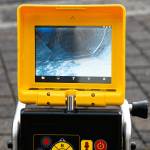
Our CCTV drain surveys pinpoint problems accurately. A camera travels through the pipes, giving us a live view of their condition, and works in any pipe size. You receive a full video recording, a written condition report and our recommendations. Most below ground repairs can be done by relining.
Drain Cleaning and Descaling

Drain Maintenance

Our preventative service is ideal for heavy users such as restaurants and takeaways. Hair, soap, grease, fat and leaves all collect in drains over time, along with items that should never be flushed, such as wet wipes. After each visit, our engineer reports on any work needed and how to prevent future issues.
Drain Repairs
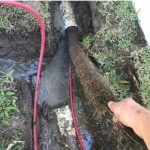 Pipes can leak, lose alignment through ground movement, suffer failed seals or be broken by tree roots. Once the pipe is clear, we repair it with a resin structural liner, pushed into place with air pressure and cured to seal the pipe walls. The liner adds strength, stops leaks and contains odours,.
Drain Excavation

When relining isn’t enough, we dig down to the drain to replace collapsed, cracked or misaligned pipes and repair connections. All work meets current UK health and safety legislation and keeps disruption to a minimum. We work with every type of London drainage – clay, cast iron, plastic and concrete.
If you are renovating, we can work alongside builders to install or move drains to the correct building specifications.
Drainage FAQ’s
Wastewater from your sinks, baths, showers, toilets and appliances flows through internal waste pipes into underground drains. These connect to a larger sewer, usually under the road.
Two terms matter for responsibility:
- A drain carries wastewater from a single property. You own it and are responsible for it, including the section that runs under your garden.
- A lateral drain is the part that runs outside your boundary before joining the public sewer. Since 2011, most lateral drains and shared private sewers in England and Wales are the responsibility of the water company, not the homeowner.
Knowing where your responsibility ends matters when a blockage strikes, because it affects who pays. If a blockage sits within your property boundary, it is yours to resolve. If it is in the public sewer, your water company handles it.
Most homes have one or more inspection chambers (manholes) where pipes meet or change direction. Lifting the cover lets an engineer see whether water is flowing or backed up, which quickly narrows down where a blockage sits.
Blockages rarely appear without warning. Common early signs:
- Water draining slowly from a sink, bath or shower
- Gurgling sounds from plugholes or the toilet when water drains
- Unpleasant smells rising from drains or plugholes
- Water rising in the toilet bowl, or the level dropping oddly
- More than one appliance draining slowly at the same time
- Water pooling around an outside drain or gully
A single slow sink usually means a local blockage near that fixture. When several appliances are affected at once, or an outside drain overflows, the blockage is likely in the main drain that serves the whole property. That is the more urgent situation, because wastewater can back up into the house.
Inside the property, the usual causes are:
- Fat, oil and grease poured down kitchen sinks. These cool and harden inside pipes, narrowing them over time.
- Hair and soap binding together in bathroom waste pipes.
- Wipes, cotton products and sanitary items flushed down toilets. These do not break down like toilet paper and are a leading cause of blockages.
- Food waste, including coffee grounds and rice, which swell or compact.
Outside, drains face a wider range of problems:
- Leaves, silt, twigs and debris washing into gullies
- Tree roots growing into pipe joints in search of water
- Scale and sediment building up inside older pipes
- Collapsed or displaced pipes from ground movement or age
In hard water areas, including much of London, limescale builds up faster. Calcium and magnesium deposits gradually narrow the pipe, slow the flow, and make blockages more likely.
Minor blockages close to a fixture are often within reach of basic methods:
- Plunger. Works on sinks, baths and toilets. Cover any overflow opening first to maintain pressure, then plunge firmly several times.
- Hot water and washing-up liquid. For a slow kitchen sink, a kettle of hot (not boiling, to protect older pipes and seals) water with detergent can shift light grease.
- Removing the trap. Under a sink, the U-bend (trap) unscrews. Place a bucket beneath, remove it, and clear any trapped debris.
- Drain rods. For an outside drain, rods can push through a blockage in an accessible pipe run.
A note on chemical drain cleaners: they can clear light organic blockages but are best used sparingly. Strong chemicals can damage older pipe joints and seals, are harmful to handle, and do nothing for solid obstructions, root ingress or collapsed pipes. Repeated use is a sign the underlying problem needs proper diagnosis.
Stop and call an engineer if: water is backing up into the house, more than one fixture is affected, an outside drain or manhole is overflowing, or you have tried the above without success.
First, stop flushing. Repeated flushing into a blocked toilet risks an overflow.
If the water level is high, wait for it to drop before acting. A flange plunger (the type with an extended rubber lip) seals the bowl outlet better than a flat cup plunger and is more effective on toilets.
Common causes are flushed wipes, excessive paper, or sanitary products. If plunging does not clear it, or if other drains gurgle when you flush, the blockage may be further down the main drain and needs an engineer.
Never use a chemical drain cleaner in a toilet that is already blocked, as the chemicals sit in the bowl and create a hazard.
Kitchen sinks block mainly from fat, grease and food. Bathroom sinks block mainly from hair, soap and toothpaste residue.
Steps to try, in order:
- Clear the plughole of visible debris.
- Pour a kettle of hot water with washing-up liquid down a greasy kitchen drain.
- Plunge, covering the overflow opening first.
- Remove and clean the trap (U-bend) under the sink.
To prevent recurrence, fit a plughole strainer, scrape food into the bin rather than the sink, and never pour cooking fat down the drain. Let fat cool and dispose of it in the bin.
Outside drains block more often than internal ones, because they collect a wider range of debris: leaves, silt, paper, twigs and plastics that wash in from open ground. A gully (the grated drain at ground level) can clog at the grate or in the trap below it.
If an outside drain is overflowing:
- Clear any visible debris from the grate.
- Check the gully trap beneath for trapped silt and waste.
- If the chamber is full and not draining, the blockage is downstream in the main drain.
A full inspection chamber or an overflowing manhole points to a blockage in the main run. This usually needs jetting or rodding by an engineer, and acting quickly matters because a backed-up main drain affects the whole property.
Water jetting uses a high-pressure jet of water fed through a hose to clear blockages and scour the inside of pipes. It removes fat, grease, silt, scale and compacted debris, and restores the pipe to close to its original bore.
Compared with chemical cleaners, jetting:
- Clears the full pipe wall rather than punching a narrow channel through a blockage
- Removes scale and sediment that chemicals leave behind
- Avoids the damage strong chemicals can cause to joints and seals
- Is better for the environment, using only water
Jetting is also used for descaling in hard water areas, where limescale and sediment narrow the pipe over time. Clearing these deposits restores flow and delays the next blockage.
A CCTV survey feeds a small video camera through the drain to record its internal condition. It is used to:
- Find the exact location and cause of a recurring or stubborn blockage
- Identify cracks, displaced joints, root ingress or collapsed sections
- Map the route of underground pipes
- Provide a documented report, useful for insurance claims or before buying a property
A survey turns guesswork into a clear picture. If a drain blocks repeatedly, a survey usually reveals the underlying defect, such as a partial collapse or root intrusion, that a simple clearance cannot fix.
A home buyer’s drainage survey is worth considering before purchase, as drainage repairs can be costly and are easy to miss in a standard property survey.
Yes. Roots are drawn to the moisture and nutrients inside drains. They enter through small cracks or loose joints, then grow inside the pipe, catching debris and forming blockages. Over time they can widen cracks and damage the pipe structure.
Signs include recurring blockages in the same spot, slow drainage that returns soon after clearing, and gurgling.
Clearing roots is done mechanically, often with a rotary cutter or high-pressure jetting. But cutting roots back does not stop them returning. A CCTV survey identifies the entry point, and a lasting fix usually means repairing or relining the damaged section so roots can no longer get in.
Not always. There are two broad approaches:
- No-dig relining (CIPP). A resin-based liner is inserted into the existing pipe and set in place, forming a new pipe wall inside the old one. This seals cracks, blocks root entry, and adds strength, with only a minor reduction in diameter that is offset by smoother flow. It avoids excavation.
- Patch repair. A localised liner repairs a single damaged section rather than the whole run.
- Excavation. Where a pipe has fully collapsed or relining is not possible, the affected section is dug up and replaced.
Relining is faster and less disruptive than excavation and is suitable for many cracked or leaking pipes. The right method depends on the extent and type of damage, which a CCTV survey establishes first.
Persistent drain smells usually mean stagnant waste sitting in a partial blockage, or a dried-out or damaged trap that is no longer holding its water seal. The water seal in a trap is what blocks sewer gases from entering the home, so a smell can indicate it has failed.
Gurgling from plugholes or the toilet signals air being displaced by a partial blockage further down the system.
Drains can also be a route for pests. Cracked or open pipework underground can allow rats access. Unexplained pest activity alongside drainage symptoms is worth investigating, often with a CCTV survey to find any breaches.
Most blockages are preventable with simple habits:
- Never pour fat, oil or grease down the sink. Let it cool and bin it.
- Scrape plates into the bin, and fit a sink strainer.
- Flush only the three Ps: pee, poo and paper. Wipes, cotton products and sanitary items go in the bin, even those labelled flushable.
- Fit hair catchers in bath and shower plugholes.
- Clear leaves and debris from outside gullies, especially in autumn.
For older properties or hard water areas, periodic professional cleaning catches problems early. A maintenance visit can descale pipes and spot a narrowing or partial blockage before it escalates into an emergency.
If wastewater is backing up into the house:
- Stop using water. Do not run taps, flush toilets or use appliances. Every litre adds to the backup.
- Keep people and pets away from contaminated water, which is a hygiene hazard.
- Move belongings clear of any rising water where you safely can.
- Locate your stopcock if clean water also needs shutting off, though for a drainage backup the priority is to stop adding wastewater.
- Call an emergency engineer.
Overflowing toilets, indoor wastewater flooding and overflowing manholes are urgent because of contamination and potential property damage. Quick action limits the damage.
- Drains within your boundary: the property owner’s responsibility.
- Lateral drains and shared sewers outside your boundary: usually the water company’s responsibility since the 2011 transfer in England and Wales.
- Public sewers: the water company.
- Rented property: the landlord is generally responsible for drainage repairs, though tenants should report problems promptly and may be liable if misuse caused the blockage.
If you are unsure where a blockage sits, an engineer can confirm by inspecting the chambers. Some home insurance policies cover drainage repairs, and a documented CCTV survey supports a claim.
This article is general guidance, not legal advice. Confirm specific responsibilities with your water company or a qualified professional.
Drainage FAQ’s for Restaurants & Hospitality
Fat, oil and grease are the main cause of blockages in food premises. FOG enters the drainage system as a warm liquid but cools rapidly in pipework, then congeals, sticking to pipe walls and trapping food particles to form a thick layer that progressively restricts flow.
It comes from cooking oils, animal fats from meat, dairy such as butter and cheese, sauces, gravies and food scraps. Washing-up liquid does not solve the problem: it lifts grease off dishes in the sink, but once the water cools downstream the grease solidifies again inside the pipe.
A commercial kitchen produces far more FOG than a home, and it builds up continuously through service. Left unmanaged, it hardens into deposits that narrow the pipe until flow stops. The consequence is not just a blocked drain but, in the worst cases, sewage backing up into food preparation areas, creating an immediate food safety concern.
There is no single law named Grease Trap Act. Several pieces of legislation work together, and your business must comply with all of them:
- Water Industry Act 1991. It is a criminal offence to allow any matter into a public sewer that obstructs the free flow of its contents. FOG contamination falls under this.
- Building Regulations (Approved Document H). Drainage serving kitchens in commercial hot food premises should be fitted with a grease separator meeting BS EN 1825 standards, or another effective means of grease removal.
- Environmental Protection Act 1990. You have a duty of care to manage all waste responsibly, including FOG. Waste cooking oil must be collected by a licensed waste carrier, and you must keep records.
- Building Act 1984 (Section 59). A local authority can require you to repair or improve inadequate drainage.
In practice, the regulations do not compel one specific product, but they make clear that effective grease removal is expected. If a lack of equipment causes blockages in the sewer network, the business can face prosecution under the Water Industry Act 1991. Penalties for breaches can be significant, and water companies and environmental health officers are increasingly targeting food businesses that contribute to sewer blockages.
This is general guidance, not legal advice. Confirm your specific obligations with your water company, your local authority and a licensed contractor, particularly for new builds and refurbishments where grease management should be designed in from the start.
A grease trap (or grease separator) slows wastewater as it leaves the kitchen, allowing FOG to separate out and be retained before the water continues to the drain. The main types:
- Passive / hydromechanical traps. A receptacle that traps FOG, emptied and cleaned manually on a schedule. Suited to smaller kitchens.
- Automatic grease removal units. Self-cleaning systems that skim and collect FOG continuously, reducing manual work.
- Below-ground separators. Larger-capacity units, often emptied by vacuum tanker. Suited to high-volume sites.
- Biological dosing systems. Dose enzymes or bacteria that break down FOG inside the pipework. Often used alongside a trap rather than as a sole solution.
A grease trap only works if it is sized correctly for the kitchen’s output and maintained. An unmaintained trap is as bad as not having one at all. Sizing and placement depend on which appliances feed the drain line, including sinks, dishwashers and combi ovens, so professional advice on specification is worth getting before installing.
Cleaning frequency depends on how busy the kitchen is and how much FOG it produces. As a general guide:
- Busy restaurants and cafes: every one to two months.
- Lower-volume businesses: every three to four months.
- High-volume fry operations: more frequently, often every four to six weeks.
A full service involves emptying all water, FOG and solids, scraping the interior walls and baffles clean, and inspecting for damage. The collected FOG waste must be removed by a licensed waste carrier.
Keep a log. Record inspection dates, cleaning dates, contractor visits and waste transfer notes. These records prove compliance during water company inspections, environmental health visits and insurance claims. Daily visual checks by kitchen staff, looking for high grease levels, odours, slow drainage or leaks, catch problems early between professional services.
Most FOG problems are prevented at the sink, before grease ever reaches the trap. Train staff on five habits:
- Scrape all food scraps from plates and pans into the bin, not the sink.
- Strain every sink with a metal mesh strainer to catch solids.
- Store waste cooking oil in a sealed container for licensed collection. Never pour it down the drain.
- Wipe greasy pans and surfaces with disposable towels before washing.
- Teach the rule until it sticks: only water should go down the drain.
These habits cost nothing, reduce the load on your grease management system, extend the interval between services, and lower the risk of an emergency during service.
A drainage failure in a food business is more than an inconvenience:
- Lost trading. A forced closure can lose a full day of revenue, on top of the repair cost.
- Emergency call-out charges to clear the blockage.
- Food safety breach. Wastewater backing up into prep areas contaminates the kitchen and must be reported, risking your food hygiene rating.
- Pipe damage. Repeated blockages can crack or collapse pipes, leading to excavation repairs costing thousands.
- Reputation. Closures, poor hygiene ratings and negative reviews are hard to recover from.
Set against these, planned grease management and periodic drain maintenance are a small, predictable cost. The economic case for prevention is straightforward: avoiding one mid-service closure typically outweighs a year of maintenance.
Cost figures vary by business and incident. Treat the above as indicative rather than a quotation.
Call a drainage engineer when you have repeated blockages despite routine cleaning, when wastewater backs up inside the premises, or when there are unexplained smells from below-ground pipework.
For commercial premises, high-pressure water jetting clears hardened FOG and scale that rodding cannot shift, restoring the full bore of the pipe. A CCTV survey locates the cause of recurring problems and produces a documented report with images. For a food business this report does double duty: it guides the repair, and it provides evidence for water company inspections, environmental health requirements and insurance claims.
Because drainage failures in hospitality are time-critical, a fast emergency response matters. 24-7 Emergency Drainage covers commercial premises across North and Central London, 24 hours a day, 365 days a year, with a 30-minute call-out target.
Call 07471 875251